

Article by
Graham Beck
Graham Beck is the Co-founder and CEO of DropDesk, a platform dedicated to a singular, transformative mission: unlocking the potential of underutilized spaces to foster human connection.
Graham Beck is the Co-founder and CEO of DropDesk, a platform dedicated to a singular, transformative mission: unlocking the potential of underutilized spaces to foster human connection.
Whether you need a space, want to earn from yours, or are ready to build your own marketplace — we have you covered.
Discover unique local venues for work, meetings, events, and celebrations.
Explore Spaces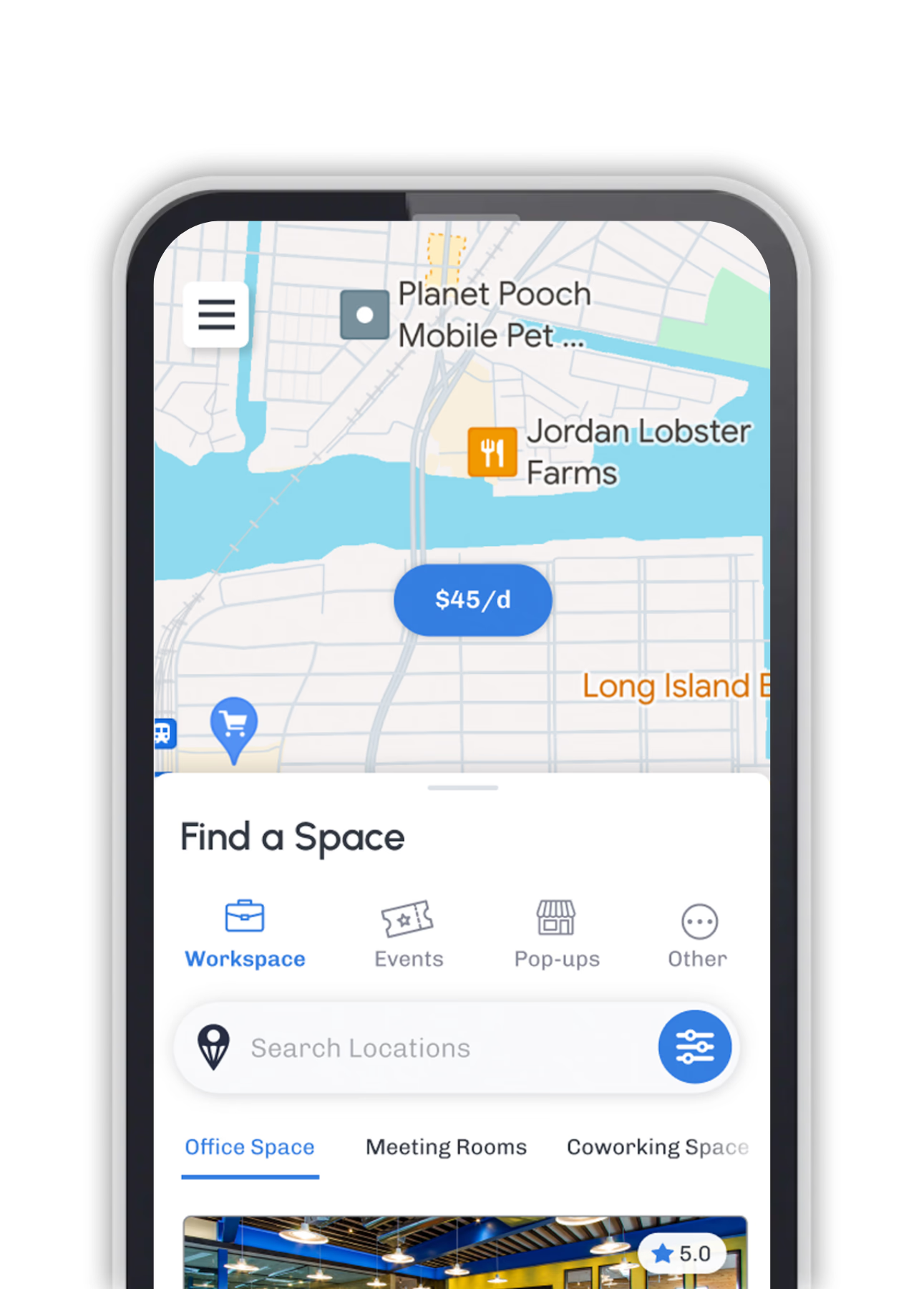
Book your favorite spots on the go. Available on iOS and Android.
Running a two-sided marketplace is a balancing act. You need to sell to two different people at once: the User (who spends money) and the Host (who provides inventory).
This guide walks you through the core pages every successful marketplace needs, with specific strategies to maximize sign-ups and bookings. For step-by-step build guides, see how to create a workspace marketplace, event space marketplace, or parking space marketplace.

Purpose: To clearly explain what you do in 3 seconds and route traffic to the right place. Most visitors will be Users (looking for space, experiences or services to rent), so the primary focus of the homepage should speak to their benefits.
Think of your homepage as a traffic controller that routes users to the core pages defined below.
Why: This layout immediately segments your traffic, sending "Demand" to your listings and "Supply" to your Host pages without any confusion.

Purpose: To convince asset owners that listing with you is safe, easy, and profitable. This is a sales page, and should speak to their specific pain points.
DropDesk streamlines supply acquisition with a ready-made host registration portal.
Instead of building complex forms from scratch, simply embed your unique "Host Sign-Up" link on this page. Hosts can automatically create accounts, upload listing photos, and submit details. You can then review and approve these listings from your admin dashboard before they go live, ensuring high quality without the manual data entry work.

Purpose: To help users filter through the noise and find their perfect match quickly.
DropDesk provides a white-label guest view that allows customers to easily browse, filter, and checkout. This ensures the entire booking experience feels seamless and native to your brand.
Simply use your marketplace guest view link by embedding an "Explore Spaces", "Search", or similar call-to-action button on your homepage that links directly to your branded booking engine.

Purpose: To provide enough information for a user to feel confident pulling out their credit card.
DropDesk's marketplace builder automatically creates these pages for you, completely removing the need to manually design or update individual listings.
Once a host submits their form, the system instantly renders a professional, SEO-optimized page complete with the photo gallery, map, and pricing—scaling your inventory without scaling your workload.
DropDesk provides a Host self-service Package creation engine, allowing for a wide range of customization, together with a checkout system built to handle complex booking models out of the box.
Whether your niche requires Hourly rentals for studios, One-Time daily rates for events, or Recurring monthly payments for office subscriptions, the platform adapts automatically. All transactions sync with DropDesk's internal calendar to manage availability in real-time, preventing double bookings without any extra plugin setup.
Sticky Booking Bar: On mobile, the "Book" button should stick to the bottom of the screen so it's always one tap away.

Purpose: To collect verifiable user data with the least amount of friction possible.
DropDesk handles the complexity of user identity for you.
The platform provides white-label sign-up pages that look native to your brand, so users never feel like they are leaving your site. Under the hood, it utilizes enterprise-grade Cognito authentication and built-in SMS verification, ensuring a secure, frictionless, and "passwordless" login experience without you needing to code a custom auth system.
Allow users to browse and view listings without an account. Only trigger the "Sign Up" modal when they click "Message Host" or when actually transacting.
Purpose: To convert casual, one-time users into loyal subscribers. This is essential for selling "ongoing services or recurring subscriptions" like Monthly Parking Access, Virtual Offices, or Community Memberships.
Instead of using a generic contact form, create a dedicated landing page on your site that acts as a sales brochure for your memberships.
DropDesk generates a unique checkout link for each membership plan you create. The best practice is to embed these specific links behind the "Join Now" or "Get Started" buttons on your pricing page for each membership. This takes the user directly to a secure, pre-filled checkout flow for that exact plan, dramatically increasing conversion rates.
Purpose: To guide a new host from "Interest" to "Published Listing" by collecting the critical data needed to sell their space, service or experience effectively.
DropDesk's pre-built Host onboarding validates all essential data in real-time.
Automatically formats addresses, verifies phone numbers for SMS, and ensures hosts complete all required fields (like "Guest Instructions") before they can hit "Publish." This guarantees that every listing on your marketplace is high-quality and bookable from Day 1.
Purpose: To provide a central hub for users to manage their reservations, view history, and communicate with hosts.
The DropDesk user dashboard is designed for retention.
Guests get a clean, branded interface where they can view Activity (bookings), use their Unified Inbox to communicate with Hosts, manage payment methods, and handle Cancellations according to your platform's policies—all self-serve, reducing your support ticket volume.
Purpose: To give Hosts full control over their inventory, bookings, and business operations after they have onboarded.
DropDesk provides a pre-built, professional Host Dashboard that handles the complexities of space management.
Includes robust internal calendars for managing real-time availability and allows users/hosts to easily add bookings to their Google or Outlook calendars, helping them stay organized without needing complex integrations. Additionally, it features a native Stripe Connect integration, allowing Hosts to view their earnings and receive automated Stripe Payouts directly to their bank accounts.
